Medical Tech Outlook Weekly Brief
Be first to read the latest tech news, Industry Leader's Insights, and CIO interviews of medium and large enterprises exclusively from Medical Tech Outlook
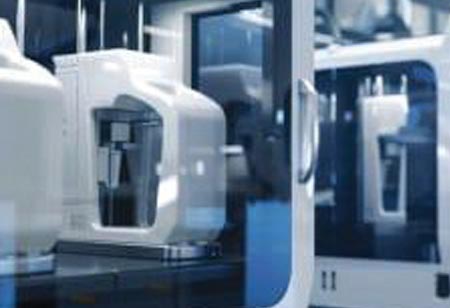
For executives evaluating patient-specific immobilization devices, the question is no longer limited to whether 3D printing can produce a better fit. The harder test is whether the device can enter a busy clinical environment without slowing treatment, adding avoidable technology burden or creating uncertainty around reimbursement. In radiation oncology, where planning systems, imaging platforms, records and verification tools already demand disciplined coordination, a new device must reduce friction rather than introduce another dependency.
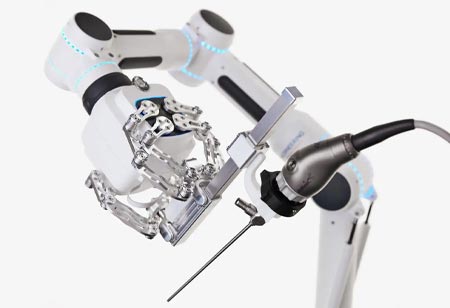
Surgical innovation will remain driven by minimally invasive approaches. Flexible endoscopy has become an increasingly vital component of minimally invasive surgery as many interventions that were previously treated with open or laparoscopic surgery now can be accessed via natural anatomical routes, further minimizing tissue trauma to the patient and hopefully promoting rapid recovery. From the management of gastrointestinal cancers to bariatric surgery and complex therapeutic procedures, flexible endoscopy has expanded physicians' capabilities without requiring an external incision.
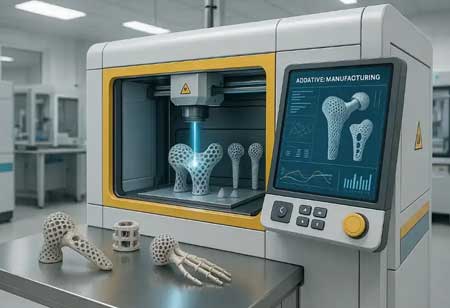
Precision medicine is reshaping how care is delivered, and immobilization devices are evolving with it. Traditional casts and braces often rely on standard sizing and manual shaping. They can be effective, yet they leave gaps in comfort fit and long-term function. Custom 3D printed immobilization devices are changing this model by aligning treatment with the exact anatomy of each patient. This shift is not only improving outcomes but also redefining patient experience across orthopedics rehabilitation and oncology.

Preventing infection remains one of healthcare’s most important priorities. Despite advances in clinical protocols and infection-prevention practices, hospital-acquired infections continue to place a significant burden on patients, providers and healthcare systems. Intravenous lines, PICC lines and surgical incision sites are essential parts of patient care, but they can also create pathways for bacteria to enter the body. As concerns around drug-resistant organisms continue to grow, healthcare organizations are looking more closely at how they protect these vulnerable access points.

The field of dermatology and aesthetic care has experienced a significant shift with the integration of advanced skin imaging systems. These technologies provide businesses with tools that enhance diagnostic accuracy, improve treatment planning, and optimize patient outcomes. By leveraging high-resolution imaging, analytical software, and automated assessment capabilities, organizations can transform their operational efficiency while maintaining a patient-focused approach.
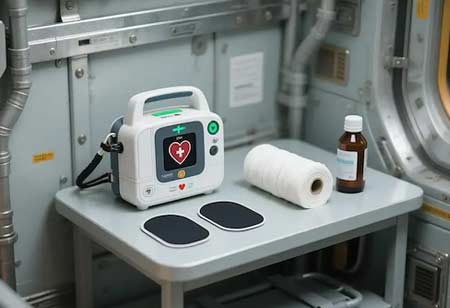
Automated external defibrillators (AEDs) are more widely available today than ever before. Schools, municipal buildings, recreation centers and commercial facilities have invested heavily in lifesaving equipment. Yet survival rates from out-of-hospital cardiac arrest remain a challenge in many communities. The issue is no longer simply whether an AED exists. The question is whether it can be found, accessed and used quickly when every second matters.

Medical aesthetics practices operate within a narrow margin between patient curiosity and treatment commitment. While attracting patients remains a constant challenge, the more consequential constraint lies in converting consultations into meaningful treatment adoption. Skin imaging systems have emerged as a critical bridge in this transition, shifting consultations from subjective discussions to evidence-led conversations grounded in visible skin conditions. For executives evaluating such systems, the decision hinges less on device novelty and more on how effectively imaging can reshape consultation dynamics and influence patient decision-making across diverse patient profiles and treatment expectations, including preventative and corrective care pathways.
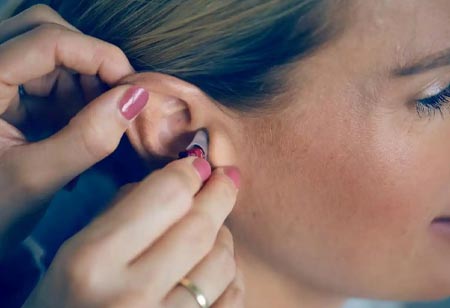
The hearing aid market is changing rapidly. Over-the-counter (OTC) hearing aids are no longer viewed as basic alternatives to prescription devices. Advances in sound processing, mobile technology and remote support have helped narrow the gap between traditional hearing care and more accessible consumer solutions. As a result, healthcare distributors, retailers and hearing care organizations are taking a fresh look at what defines a quality hearing aid experience.

The development of cardiovascular treatments depends on medical technology, which now meets the needs for both less invasive procedures and solutions that focus on patient needs. Aortic valve implantation systems have become a crucial advancement because they meet the treatment requirements of patients who suffer from severe valve dysfunction and cannot undergo traditional surgery.

Light-based therapy has gained increasing attention across healthcare, but as clinical applications expand, providers are asking more from the technology. Many traditional photobiomodulation systems were designed for localized treatment, using handheld devices, fixed LED panels or small treatment areas. While these approaches can be effective for targeted applications, they may not always meet the needs of clinicians treating larger anatomical regions or conditions that involve broader physiological responses.

Aortic valve replacement has entered a phase where patient preference is outpacing technological maturity. Transcatheter approaches have expanded rapidly, driven by the desire to avoid open-heart procedures, yet long-term performance has not kept pace with adoption. Clinical experience over the past decade shows that durability remains a central concern, particularly as younger and lower-risk patients become candidates. Reports of early degeneration within five to seven years have introduced hesitation among clinicians, forcing decision-makers to reassess how these systems are evaluated and deployed.
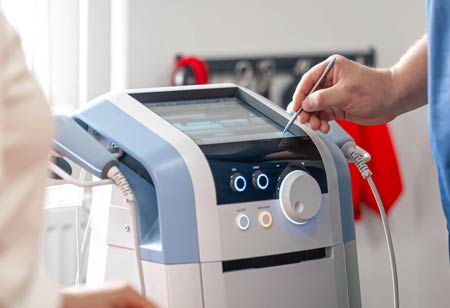
Therapeutic laser technology has moved far beyond the early generation of low-power light systems that often required prolonged treatment schedules and inconsistent patient response. Healthcare organizations evaluating modern pain-management platforms now face a different challenge: distinguishing between devices built around clinical science and those positioned primarily through generalized wellness claims. The growing demand for non-pharmaceutical pain intervention has raised expectations around treatment speed, predictability and ease of integration into rehabilitation environments, sports medicine programs and outpatient care settings.
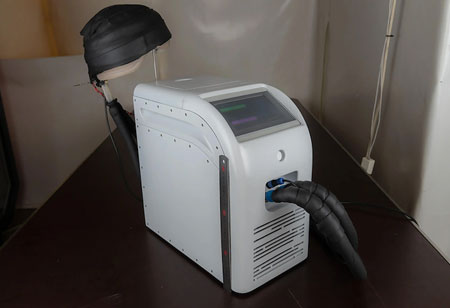
Stroke treatment has improved dramatically over the last decade, especially with the widespread adoption of mechanical thrombectomy for large-vessel occlusions. Hospitals are moving faster, stroke teams are better coordinated and more patients are reaching thrombectomy-capable centers in time for clot removal. But reopening the blocked artery is only part of the challenge.

Pain management remains one of healthcare’s most difficult cost and care challenges. Executives evaluating noninvasive pain technologies face pressure to reduce opioid dependency, avoid unnecessary escalation to invasive procedures and improve patient adherence without adding workflow complexity. Conventional electrical stimulation devices have existed for decades, yet many providers still report inconsistent relief, limited treatment duration and poor patient tolerance. Patients often cycle through medication, physical therapy, injections and surgery before achieving meaningful improvement.
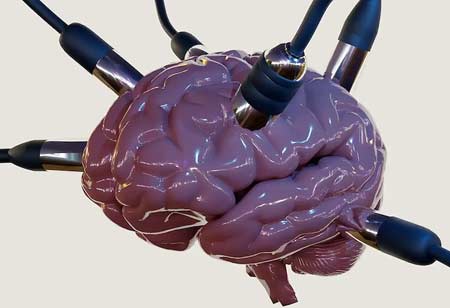
For a long time, stress recovery lived in the outer edges of the wellness industry. Meditation apps, breathing exercises, sleep podcasts, vibrating chairs, most of it was marketed with the same soft language about balance, calm and mindfulness. Some products worked for people. Many disappeared as quickly as they arrived.
What has changed over the last few years is not just the technology. It is the audience.
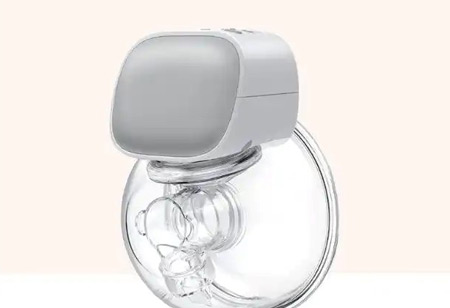
Breast pump selection has become much more than choosing a medical device. Hospitals, insurers, women’s health providers and maternity programs are increasingly focused on helping mothers succeed throughout their breastfeeding journey, not just during the first few weeks after birth. As work schedules, family responsibilities and lifestyle demands continue to evolve, wearable breast pumps have emerged as an important tool for supporting mothers who need flexibility without compromising their breastfeeding goals.

Myringotomy tube placement has long been a routine intervention in otolaryngology, yet the underlying device landscape has seen limited evolution. Conventional tubes are designed for durability, often remaining in place for months or longer, regardless of whether the clinical indication demands such persistence. This mismatch between treatment duration and device behavior introduces a set of tradeoffs that healthcare leaders must increasingly scrutinize, particularly as cost pressures and patient experience metrics gain prominence.

Healthcare providers are seeing growing demand for therapies that support the nervous system without requiring invasive procedures, medications or complicated treatment plans. Patients dealing with chronic pain, stress-related conditions, fatigue, headaches, sleep disturbances and other neurological challenges are increasingly looking for solutions that fit into everyday life while supporting long-term improvement. As a result, healthcare organizations are paying closer attention to technologies that help regulate the nervous system rather than simply providing temporary symptom relief.

Pediatric ear infections remain among the most common conditions requiring surgical intervention in early childhood. Myringotomy with tube placement has long been the standard solution for persistent middle ear fluid and recurrent infections. In recent years, advances in device technology have significantly transformed how this procedure is performed. These improvements are helping clinicians deliver more precise treatment while enhancing safety and recovery for young patients. As innovation continues to reshape surgical tools and techniques, pediatric ear care outcomes are steadily improving.

Skincare technology is now shifting from one-off devices and convoluted formulas to a comprehensive solution. Cosmetic brands, medtech innovators, and clinical scientists are locked in a battle for consumer preference by demonstrating products that deliver visible results to skin, without forcing consumers to pick between the two options-topicals versus device technologies. Executive buyers are often pushed to purchase devices that improve efficiency, meet regulatory requirements and fit easily into consumer lifestyles, rather than adding a separate device.
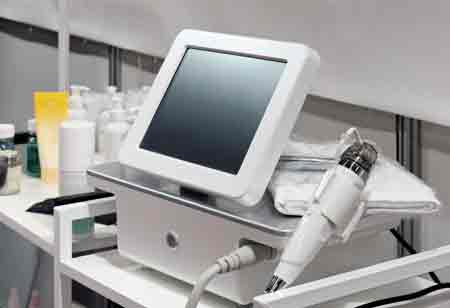
Consumer demand within aesthetic treatments is creating a more complex environment for microneedling device companies competing for relevance. What was once positioned as a differentiated offering has moved into a crowded space where expectations around consistency, safety perception, and visible outcomes are tightly scrutinized. Clinics and practitioners are making purchasing decisions with greater caution, often influenced by repeatability of results and client retention rather than initial appeal. This shift is pushing device companies to reconsider how they sustain demand in a market where familiarity has replaced curiosity, and where long-term credibility is becoming more valuable than short-term attention.

Stroke rehabilitation systems face a difficult reality: many patients improve during early recovery, then plateau long before regaining the independence needed for daily life. Healthcare organizations evaluating vagus nerve stimulation therapies are looking beyond short-term intervention and asking whether a system can extend neuroplastic recovery, integrate into rehabilitation programs and sustain functional gains after traditional therapy reaches its limit. The pressure is particularly strong for stroke centers and rehabilitation networks balancing patient outcomes, therapist engagement and long-term care costs while managing growing survivor populations.
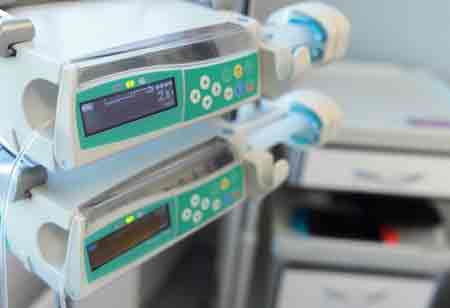
In recent years, infusion therapy has become a critical aspect of modern healthcare delivery, especially for patients requiring continuous or precise medication administration. Infusion devices, once simple pumps that delivered fluids at set rates, have transformed into highly sophisticated therapeutic tools that shape how clinicians manage complex treatments.

In healthcare technology, sterilization decisions now carry consequences beyond the decontamination room. Complex instruments are moving into outpatient practices and ambulatory surgery centers at the same time that reimbursement pressure is forcing teams to shorten turnover without weakening infection control. Older tabletop sterilizers may still complete basic cycles, but they can leave gaps when instruments require validated vacuum capability and records must remain traceable across a larger care network. The purchase decision therefore affects clinical continuity, audit exposure, staffing efficiency and patient confidence.
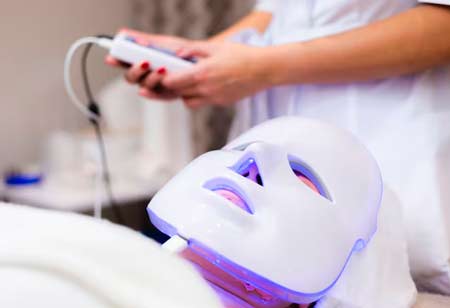
Heightened interest in non-invasive wellness and clinical support solutions is reshaping how medical-grade light therapy device manufacturers position themselves within a competitive and increasingly visible market. Demand is no longer confined to specialized environments, as broader awareness is influencing purchasing behavior across both professional and consumer-facing channels.
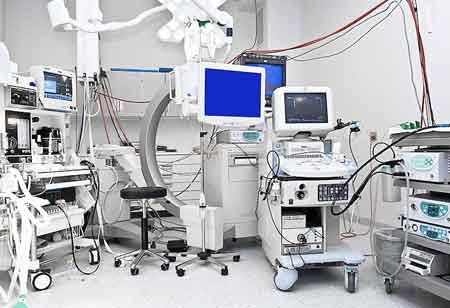
Cardiovascular intervention teams rarely choose circulatory support devices based on novelty alone. In high-pressure clinical environments, reliability, procedural consistency and confidence in product availability matter far more than incremental feature additions. Hospitals treating cardiogenic shock, complex bypass cases and acute cardiac events depend on devices that must perform without interruption during critical moments in patient care. When supply shortages occur or devices fail during insertion or balloon inflation, the result is not only procedural disruption but also higher costs, wasted time and increased clinical risk.
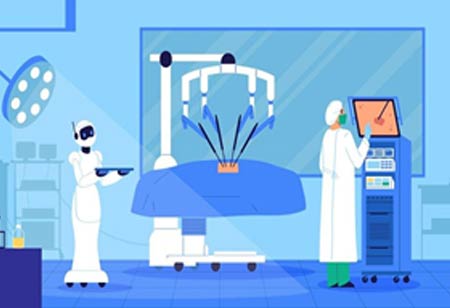
Endoscopic and robotic surgery technologies have transformed modern surgical practice by shifting the focus from extensive, invasive procedures to precise, technology-assisted interventions. Surgeons increasingly rely on these technologies to improve accuracy, enhance visualization, and reduce physical strain during complex operations. Endoscopic surgery enables internal procedures through small incisions or natural openings, while robotic surgery enhances the surgeon's capabilities through articulated instruments, steady motion control, and immersive visualization.
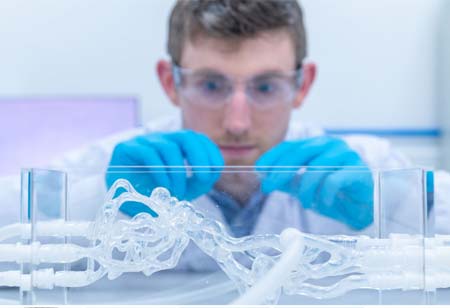
Neurovascular intervention has moved into anatomical territory where conventional catheter tradeoffs are increasingly exposed. Physicians are being asked to reach deeper targets, support larger therapeutic devices and preserve fragile vessels that may already be compromised by age, plaque, calcification or disease. For executives responsible for acquiring emerging neurovascular catheter technology, the purchasing decision is no longer limited to whether a device can reach the target. It must account for how much force it applies on the way there, how consistently it supports therapy after placement and whether it can simplify the procedure without adding cost or training burden.
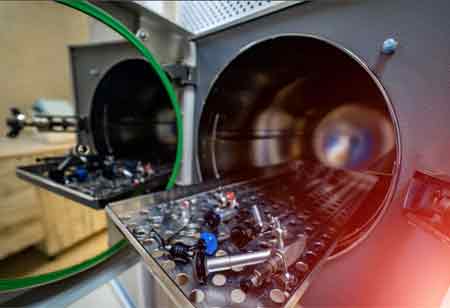
The demand for cooling catheter devices has risen significantly due to several key factors that shape their adoption in the medical field. Medical emergencies often lead to neurological damage, which can be mitigated through therapeutic hypothermia—a treatment in which cooling catheter devices play a crucial role. Hospitals and emergency response units worldwide are integrating these devices into their treatment protocols to improve patient outcomes and survival rates.

ospitals depend on complex networks of clinical technology that stretch far beyond traditional hospital floors. Imaging suites, ambulatory surgery centers, outpatient clinics, urgent care sites and specialty departments all rely on thousands of devices that must remain accurate, available and secure. Medical equipment maintenance therefore carries responsibilities that reach well beyond routine repair. Health system leaders now expect greater visibility into device performance, clearer insight into asset utilization and stronger assurance that connected equipment will not introduce risk into clinical networks.

Medical equipment maintenance services represent a specialized segment within the healthcare ecosystem where technical precision and operational continuity intersect. Modern healthcare facilities depend heavily on complex diagnostic and therapeutic devices that must function with high accuracy and consistency. From imaging systems and laboratory analyzers to patient monitoring equipment and surgical instruments, these technologies support nearly every stage of clinical care.

Medical-grade LED red light therapy has moved into a more closely scrutinized segment of MedTech, driven by demand for non-invasive, mechanism-driven interventions. Executives evaluating these devices are assessing whether a therapy can stand up to clinical accountability, integrate into practitioner workflows and deliver repeatable patient outcomes without reliance on pharmacological pathways. The challenge lies in separating clinically grounded systems from a crowded field of consumer-grade products that lack validation and consistency.
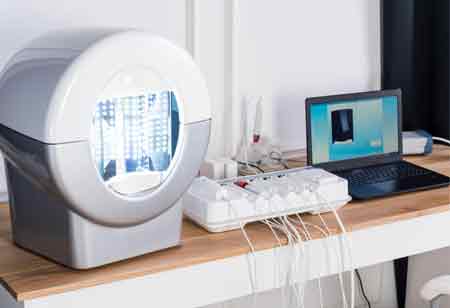
The advancement of medical technology has potentially opened great opportunities in diagnosing and treating various neurological conditions. The functionality of such devices involves monitoring, stimulating, or modulating brain function without surgery or implantation. This claim of noninvasive neurological devices is the most fervently touted in recent advances of modern health care.

The rapid growth of minimally invasive aesthetic treatments has elevated expectations around consistency, safety and measurable skin outcomes. Executives evaluating microneedling solutions are no longer choosing between devices alone; they are assessing how effectively a solution enables practitioners to deliver repeatable, high-quality results across varied indications. Variability in treatment depth, inconsistent protocols and limited practitioner training continue to create gaps between promised and actual outcomes, making reliability a central concern in vendor selection.
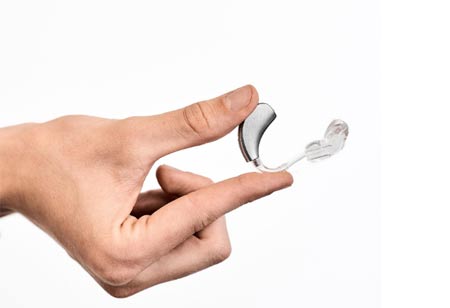
The over-the-counter (OTC) hearing aid market is undergoing rapid evolution, propelled by advancements in technology, regulatory changes, and a shift in consumer attitudes toward hearing care. This sector, once dominated by prescription-based solutions, is now becoming more accessible, enabling individuals to purchase hearing aids directly without the need for an audiologist's intervention. The availability of OTC hearing aids is opening up new possibilities for millions of individuals with hearing impairments, offering more affordable and convenient solutions.

Across modern care environments, infusion delivery remains defined by a persistent trade-off between simplicity and control. On one end, gravity-driven methods continue to dominate in many settings due to their accessibility, yet they rely heavily on approximation, manual oversight and clinician experience. On the other, electronic infusion pumps offer precision but introduce a different burden—multi-step programming, calculation-heavy setup and dependence on training that can slow response times in critical scenarios. This divide becomes particularly visible in high-pressure environments such as emergency response, transport medicine and field operations, where time, mobility and consistency are tightly constrained.
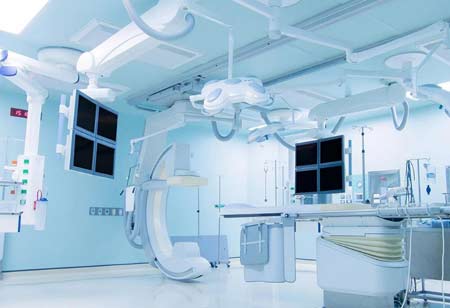
Handheld fluorescent molecular imaging systems are rapidly redefining how clinicians see and interact with biological tissues during diagnosis and surgery. By combining advanced optical technologies with molecular specificity, these portable devices enable surgeons and physicians to visualize disease-associated signals in real time, distinguishing healthy structures from pathological ones with unprecedented clarity.

Minimally invasive surgery has shifted the standard of care toward smaller incisions, faster recovery and reduced trauma. That progress has introduced a less visible challenge at the final stage of procedures: closing access points created during laparoscopic and robotic interventions. While these entry sites appear minor, inadequate closure can lead to herniation, chronic pain and long-term complications that often surface well after the procedure. Surgeons face a persistent trade-off between efficiency and precision, particularly when working within confined internal spaces where visibility and control are limited.

The medical alert systems sector has entered a phase defined less by novelty and more by quiet recalibration. Demand continues to rise, yet the conversation has shifted from simple adoption to performance, integration, and long-term relevance. Buyers now evaluate offerings through the lens of reliability, lifestyle fit, and continuity of care rather than emergency response alone. This recalibration has nudged the industry toward more nuanced value propositions, where trust, data stewardship, and user dignity carry equal weight. The result is a market that feels measured but active, shaped by evolving expectations rather than sudden disruption.

Lumbar degenerative disease remains one of the largest recurring expenditures in US healthcare, driven by an aging population and the unchanging reality of gravity acting on a vertical spine. For decades, lumbar fusion has been the dominant surgical response when conservative care fails. Yet fusion immobilizes a structure designed to move. By halting motion at one segment, it transfers stress to adjacent levels, often accelerating degeneration and creating a cycle of additional procedures. Surgeons understand this tradeoff, and patients frequently express reluctance when fusion is proposed, but alternatives have been limited.
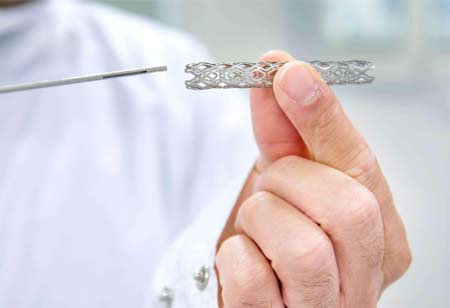
Brain aneurysm device companies play a critical role in advancing minimally invasive neurological care by developing technologies designed to treat complex cerebrovascular conditions. These companies combine biomedical engineering, clinical research, and precision manufacturing to create devices that support safe and effective aneurysm management. By addressing the technical demands of neurointerventional procedures and aligning innovation with clinical practice, brain aneurysm device companies contribute to improved therapeutic outcomes, procedural efficiency, and long-term patient care within specialized healthcare settings.

The landscape of aesthetic technology is undergoing a profound transformation. Advances in customization and precision are redefining long-held standards for devices used in beauty, skin rejuvenation, and non-surgical procedures. What was once a one-size-fits-all approach is giving way to highly tailored experiences that consider the unique needs of each individual. Through innovations in hardware and software, practitioners can now deliver treatments with accuracy and personalization that were previously unimaginable. At the same time, industry expectations for safety, efficiency, and outcome consistency are rising in tandem with consumer demand for bespoke solutions.
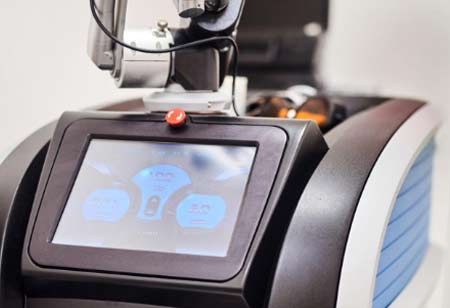
The market for trusted medical aesthetic equipment manufacturers sits at the intersection of healthcare, beauty, and technology. As demand for minimally invasive and non-invasive cosmetic procedures rises globally, manufacturers that produce high-quality, safe, and innovative devices become essential partners for clinics and medical professionals. With consumers increasingly pursuing procedures that deliver noticeable results with minimal downtime, the industry’s momentum continues to build.

The evolution of dental sleep medicine into contemporary practice merges various spheres-clinical expectations, demands for patient-centric practice, and operational viability. Digital dental sleep orthotics systems represent a significant leap forward in not only aligning treatment precision with scalable service provision.
They bring together digital diagnostics, design, and manufacturing into an integrated workflow capable of supporting consistency, efficiency, and measurable outcomes. The more significant emphasis that health care systems place on coordinated care and accountability makes digital dental sleep orthotics an acute part of modern practice strategies and long-term growth planning.
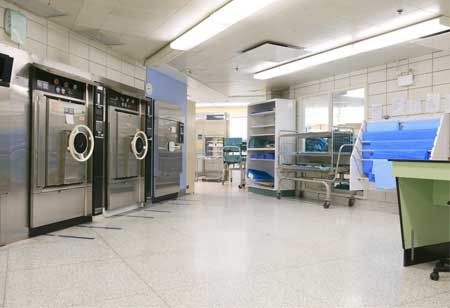
Sterilization and infection control solutions form the backbone of clinical safety and public health protocols by preventing pathogen transmission across healthcare, laboratory, and communal environments. These solutions encompass a broad array of technologies and practices, from high-performance sterilizers and low-temperature chemical systems to ultraviolet disinfection, surface antimicrobial treatments, and procedural controls that standardize reprocessing and environmental cleaning.
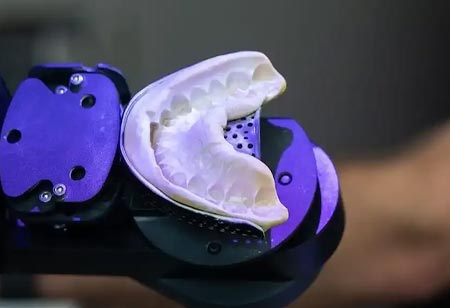
Dental sleep medicine occupies a unique space. It sits between medical diagnosis and dental intervention. Obstructive sleep apnea and temporomandibular disorders often share symptoms like jaw pain, disrupted sleep, and morning headaches. However, their underlying causes and treatment paths differ. Reimbursement often requires documented sleep studies and FDA-compliant devices, adding extra scrutiny. For executives assessing digital dental sleep orthotic partners, the decision is about more than production capacity. It also requires trust that a laboratory understands the clinical, regulatory, and workflow impact of each prescription.
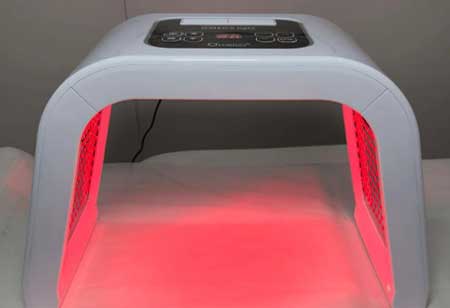
Light therapy device providers are operating within an industry that has transitioned from exploratory growth to structural maturity. The sector now reflects a calibrated balance between scientific credibility, user expectations, and operational efficiency. Adoption is no longer driven by novelty or curiosity, but by consistency, reliability, and alignment with broader wellness and care ecosystems. Providers are refining their approaches across product development, distribution, and stakeholder engagement to meet a market that values measured outcomes and dependable performance. This evolution signals an industry that is settling into its role with confidence, shaped by pragmatic decision-making and long-term positioning rather than accelerated experimentation.
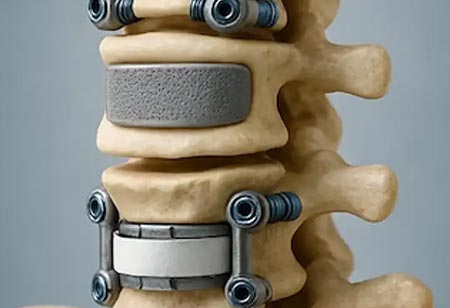
Chronic back pain continues to be one of the most persistent and disabling health concerns, affecting daily movement, sleep quality, and overall well-being. Among the many structural causes of long-term lower back pain, facet joint degeneration plays a significant role. These small joints connect the vertebrae, guide spinal motion, and maintain stability. When they wear down due to aging, repetitive strain, or injury, they can trigger inflammation, stiffness, and chronic discomfort.
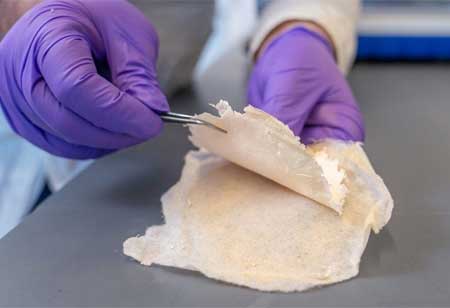
Orthopedic solutions providers are entering a period of accelerated transformation driven by demographic shifts, lifestyle changes, healthcare modernization, and rapid technological innovation. The rising demand for advanced orthopedic care reflects growing cases of musculoskeletal disorders, age-related degenerative conditions, sports injuries, and trauma cases, especially in regions experiencing longer life expectancy and active aging populations.
Energy-based devices have become central to contemporary aesthetic practice, yet not all platforms are built on the same therapeutic logic. Many systems concentrate on surface-level effects, producing temporary tightening or textural improvement without addressing the structural layers where laxity and tissue degeneration begin. For executives evaluating a medical aesthetic device, long-term differentiation rests less on headline features and more on whether the technology can influence subdermal architecture in a controlled, reproducible manner.
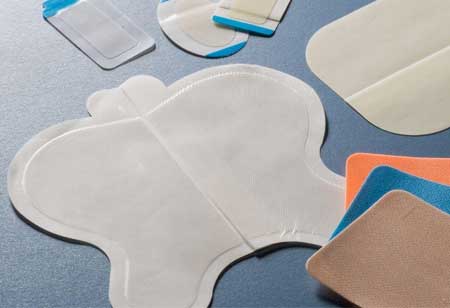
Wound care is a critical component of modern healthcare, where preventing infections and promoting timely healing are essential for patient recovery and overall quality of life. Antimicrobial dressings have emerged as a key innovation in this field, offering advanced solutions that not only inhibit microbial growth but also support optimal wound healing conditions.

Medical alert services sit at the intersection of safety, caregiving and infrastructure reliability. For executives responsible for selecting a provider, the challenge is less about device novelty and more about whether a service can perform consistently across populations, geographies and funding models. As demand expands beyond individual households into home care networks, senior living operators and public programs, weaknesses in coverage, configurability or support quickly surface.
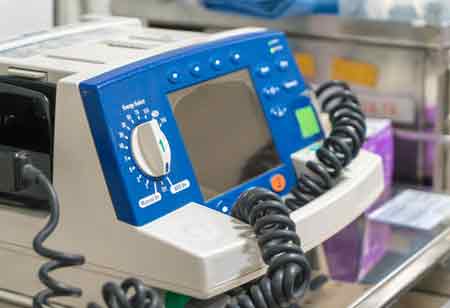
Upper extremity rehabilitation systems have become essential components in modern healthcare as rising incidences of stroke, traumatic injuries, and neurological disorders increase the number of patients. Healthcare providers need to recognize that traditional rehabilitation approaches often lack customization and scalability, resulting in slower progress and higher healthcare costs. Upper extremity rehabilitation systems offer data-driven, patient-centered therapies that enhance recovery through targeted exercises, real-time feedback, and measurable outcomes.
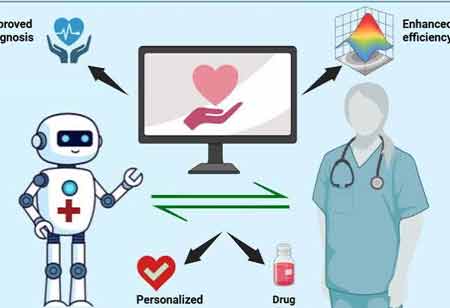
The integration of molecular diagnostics into dermatological practice is a significant shift in how healthcare systems approach skin cancer screening and diagnosis. For administrators and lead clinicians evaluating new technologies, the challenge lies in the inherent subjectivity of current visual assessment protocols. Standard dermoscopy relies on morphological interpretations of color and shape, a process that tends to result in diagnostic ambiguity when encountering difficult-to-diagnose moles. This lack of objective biological data creates a high volume of precautionary procedures. It is estimated that 15 to 50 biopsies are performed to identify a single case of melanoma. These unnecessary interventions represent a substantial economic burden, especially considering the five million biopsies performed annually within the Medicare system.
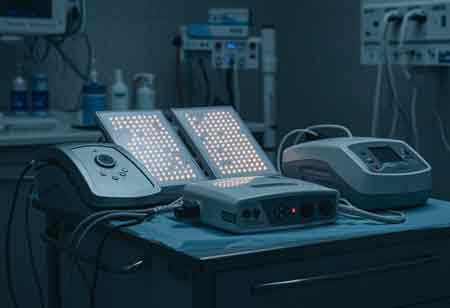
Infrared photo biostimulation devices represent a rapidly evolving frontier in non-invasive therapeutic technology. Harnessing the power of specific infrared light wavelengths, these devices stimulate biological processes at the cellular level, offering a safe and effective approach to pain relief, tissue repair, and wellness enhancement. As the healthcare and wellness industries increasingly prioritize minimally invasive solutions, infrared photobiostimulation is emerging as a key modality with applications ranging from clinical rehabilitation to aesthetic treatments.
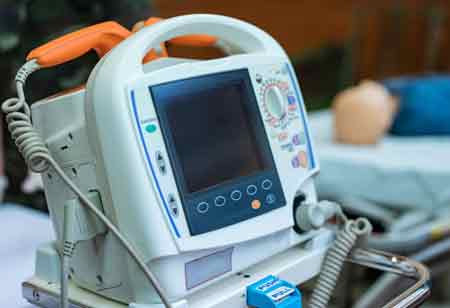
The market for Automated External Defibrillator (AED) monitoring technology in the MedTech sector has gained momentum due to growing global awareness around sudden cardiac arrest (SCA), advancements in emergency medical response infrastructure, and increasing adoption of smart, connected medical devices. The demand for enhanced cardiac safety in public and private spaces is a critical factor fueling growth in this domain.
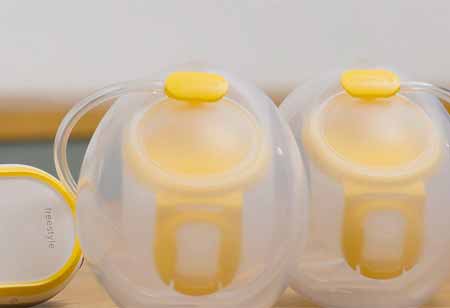
The evolution of maternal care technologies has brought wearable hands-free breast pumps to the forefront of modern parenting tools. These innovative devices are transforming how breastfeeding is supported, offering convenience, discretion, and mobility to meet the diverse needs of new parents. Behind this transformation is a growing manufacturing sector that blends user-centric design with technological sophistication to deliver smarter, more efficient breast pump solutions. As demand increases, manufacturers are reshaping production strategies, overcoming design challenges, and exploring new opportunities to support maternal health and lifestyle flexibility.
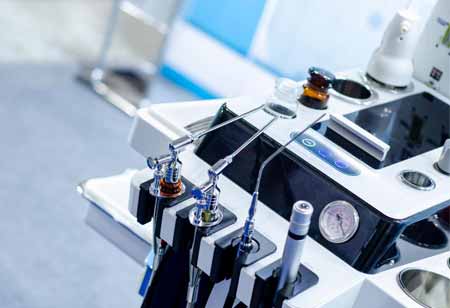
A wave of dynamic evolution is reshaping the landscape of minimally invasive surgical instrumentation, especially in the realm of flexible endoscopic scissors. The market is experiencing refined sophistication in how tools are supplied, maintained, and integrated into clinical workflows. Manufacturers and healthcare providers are navigating a terrain marked by heightened expectations for quality, connectivity, and cost efficiency.
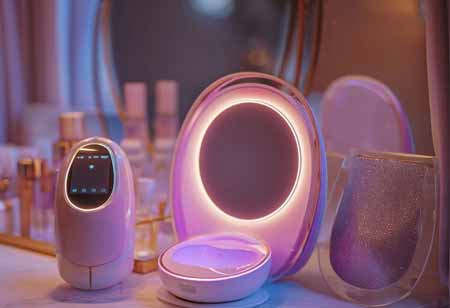
The skincare industry is undergoing a significant transformation due to rapid technological advancements. In recent years, innovative solutions powered by artificial intelligence, machine learning, and other digital tools have redefined how skincare products are developed, recommended, and applied. These technological breakthroughs offer consumers more personalized, efficient, and data-backed approaches to skincare, moving away from traditional, one-size-fits-all methods. From at-home skin diagnostics to wearable sensors that monitor skin health in real time, the convergence of technology and skincare is paving the way for a new era of beauty.
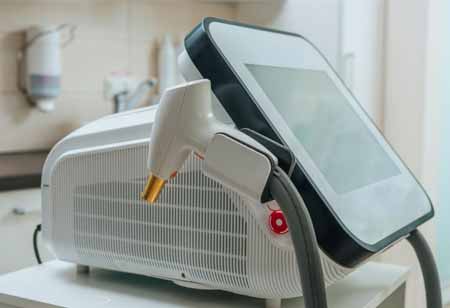
Therapeutic laser devices represent a transformative advancement in modern healthcare, offering non-invasive, targeted treatment solutions across various medical conditions. These devices use explicit wavelengths of light to stimulate cellular function, promote tissue repair, and alleviate pain, making them a valuable tool in clinical settings.

Vagus nerve stimulation (VNS) represents an innovative technological advancement that offers hope to numerous patients with neurological disorders who derive limited benefits from existing treatment options. Originally developed for the management of epilepsy, the VNS device has expanded its applications and is now employed in the treatment of conditions such as depression, pain, and even Alzheimer's disease. The underlying mechanism of VNS is relatively straightforward: it transmits electrical impulses via the vagus nerve, influencing various physiological functions, including heart rate, digestion, and mood regulation.
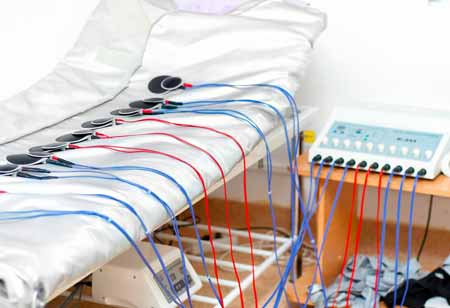
The global demand for pain management devices has witnessed steady growth, fueled by the increasing prevalence of chronic pain, musculoskeletal disorders, and postoperative recovery needs. The devices are gaining preference over pharmacological solutions due to their minimal side effects, long-term usability, and potential to reduce opioid dependency. In response to the shifting healthcare landscape, AI is being increasingly implemented in pain management technologies.
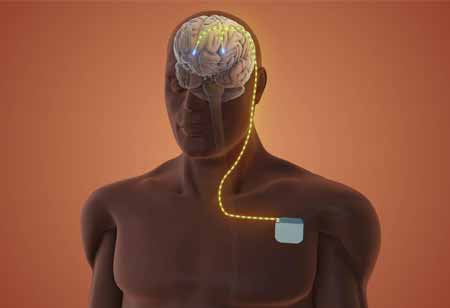
The nervous system regulates essential bodily functions, from movement and cognition to mood and pain perception. With the rising prevalence of neurological disorders, mental health issues, and chronic pain conditions, the demand for innovative solutions to regulate the nervous system has increased significantly. Nervous system regulation devices have emerged as a promising technology, offering non-invasive and minimally invasive methods to enhance neurological function, treat disorders, and improve overall well-being.
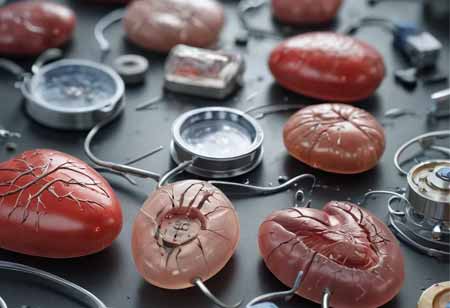
Cardiovascular illness continues to be one of the world's top causes of mortality, and as the population ages, there will only be a greater need for sophisticated cardiovascular medical equipment. The sector is going through a significant transition due to new developments, changing healthcare requirements, and the desire for more individualized and effective therapies. The industry will confront possibilities and difficulties adjusting to these dynamic developments, influencing its future.