Medical Tech Outlook Weekly Brief
Be first to read the latest tech news, Industry Leader's Insights, and CIO interviews of medium and large enterprises exclusively from Medical Tech Outlook
A featured contribution from Leadership Perspectives: a curated forum reserved for leaders nominated by our subscribers and vetted by our MedTech Outlook Advisory Board.

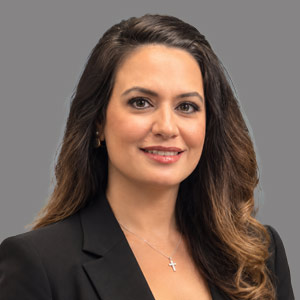
Lara Yako is a healthcare leader whose work spans cardiology, medical imaging, clinical operations, and multidisciplinary team leadership. Her approach combines clinical knowledge with operational understanding, emphasizing timely patient care, effective communication, responsible resource management, and collaboration across clinical and administrative teams.
Balancing Clinical Priorities and Operational Demands
In cardiology, patient acuity and timely intervention are my priorities. Meeting those needs requires close attention to daily schedules, staffing, and equipment utilization so urgent and high-risk patients receive care promptly. I also rely on close communication with cardiologists, nurses, technologists, purchasing teams, finance, and administrative staff to overcome daily challenges and keep services running effectively.
I view clinical and operational goals as interconnected rather than competing priorities. Thoughtfully designed workflows and processes help teams stay aligned around a shared mission while supporting exceptional patient care and sustainable operational performance. Balancing both aspects requires understanding the realities of clinical work while ensuring that the resources and processes supporting it remain effective.
Strengthening Collaboration across Clinical Teams
I believe respect is the foundation of effective teamwork. It means valuing each person’s role, listening to colleagues, supporting one another, and recognizing that every role, from physicians and nurses to technologists, medical assistants, schedulers, registrars, and supporting staff, contributes to patient care.
“Leadership is about serving others, supporting the team, removing barriers to success, and helping others grow.”
Healthcare is not a one-person job. It takes all of us communicating effectively, helping one another, and keeping patients at the center of our decisions. When people feel respected and valued, they can contribute more fully to the team’s goals. Our achievements are not individual accomplishments but the result of people working together with a common purpose.
Using Technology to Advance Patient Care
Technology plays a critical role in diagnostic accuracy and patient outcomes. Cardiologists rely on advanced imaging and monitoring capabilities, including 3D echocardiography, cardiac CT, cardiac MRI, nuclear medicine, and hemodynamic monitoring. These tools support accurate diagnoses, inform treatment plans, and help reduce delays in diagnosis.
I see artificial intelligence and remote monitoring as important influences on the future of cardiology and medical imaging. AI is transforming medical imaging by helping physicians identify abnormalities sooner, interpret studies more efficiently, and enhance the speed and accuracy of clinical decision-making. We are also seeing growth in minimally invasive procedures, including transcatheter aortic valve replacement, electrophysiology procedures, left atrial appendage closure, and chronic total occlusion interventions. For appropriate patients, these procedures can offer effective treatment with shorter recovery times and fewer complications.
Remote monitoring allows providers to follow patients beyond the hospital and intervene as conditions change. The shift toward preventive and proactive care has the potential to improve outcomes, reduce hospitalizations, and enhance the patient experience.
Building a Strong Foundation for Clinical Leadership
My advice to healthcare professionals who want to grow into leadership roles is to first become strong clinicians and develop a thorough understanding of patient care. In cardiology, that may mean beginning as a cardiology nurse, cardiovascular technologist, or another frontline clinical professional. Clinical knowledge helps leaders understand the challenges their teams face, make informed decisions, and offer practical support grounded in the realities of daily operations.
I also encourage professionals to learn beyond their primary roles. Understanding coding, billing, prior authorizations, compliance, budgeting, and departmental finance helps leaders consider both the clinical and business implications of their decisions. That broader knowledge is essential to supporting patient care while maintaining operational and financial sustainability.
Most importantly, I believe leadership is about serving others. It means supporting the team, removing barriers to success, and helping people grow. Leading with integrity, humility, and a genuine commitment to patient care helps build the trust needed to guide a team effectively. For me, the goal is to create an environment where people can do their best work while keeping patients at the center of every decision.