Medical Tech Outlook Weekly Brief
Be first to read the latest tech news, Industry Leader's Insights, and CIO interviews of medium and large enterprises exclusively from Medical Tech Outlook
A featured contribution from Leadership Perspectives: a curated forum reserved for leaders nominated by our subscribers and vetted by our MedTech Outlook Advisory Board.

CLINICAL EXPERIENCE AS A LEADERSHIP FOUNDATION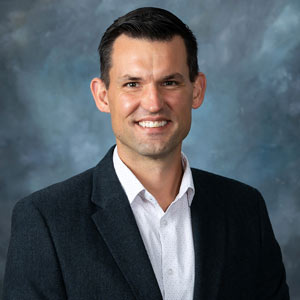
Jordan Gillund
My background as a physical therapist has been foundational to my leadership approach. I understand the realities clinicians face every day and the impact operational decisions can have on patient care. That clinical experience provides me with a 360-degree view of healthcare operations, allowing me to understand challenges from both the provider and administrative perspectives.
Most importantly, working as a physical therapist within a health system taught me invaluable lessons about teamwork. Every person, discipline and specialty plays a critical role in delivering high-quality care. For the organization to be successful, each of those roles must also be positioned for success. When evaluating operational opportunities, I strive to balance quality, access, efficiency and the patient experience while ensuring that decisions support the clinicians delivering care.
As payer influence continues to redefine care delivery models, our focus must be on returning clinical judgment and treatment decisions to the clinicians whose expertise and patient relationships should guide care. Physical therapists understand this challenge as well as anyone and are often on the front lines of advocating for the care their patients need.
I believe leaders are most effective when they understand the work being performed. My clinical background allows me to build credibility, trust and alignment with care teams across the organization while ensuring that operational decisions remain grounded in the realities of patient care. Physicians want to deliver the best care possible and with the least amount of red tape surrounding that; it is my job to make that happen.
I also believe effective leadership requires staying grounded and maintaining perspective. Healthcare can be demanding, so it is important to find healthy outlets for stress, make time to recharge and remain present in the moments that matter most. For me, that means remembering to hug your kids as often as possible, appreciating the people around you and staying focused on what is truly important.
DESIGNING OPERATIONS AROUND THE PATIENT
For me, operational efficiency is not about doing more with less; it is about creating systems that remove barriers to care and improve the patient experience. It is easy to lose sight of the patient experience when every dollar coming in and going out is under scrutiny. We focus on understanding patient demand, provider capacity and workflow opportunities to ensure patients receive timely access to the care they need.
The key is making decisions through the lens of the patient while also considering the long-term sustainability of the practice. My background in physical therapy has given me a unique perspective and the ability to see healthcare through the eyes of the patient. Physical therapists are strong patient advocates, often helping individuals navigate complex healthcare challenges while ensuring they receive the care they need.
"The Key Is Making Decisions Through The Lens Of The Patient While Also Considering The Long-Term Sustainability Of The Practice."
Across multiple specialties, operational excellence means leveraging data, expertise and collaborative teams to identify bottlenecks, streamline processes and improve outcomes. When systems are designed thoughtfully, they enhance both operational performance and patient satisfaction, creating a better experience for patients, providers and staff alike.
STRENGTHENING COLLABORATION ACROSS CARE TEAMS
Strong collaboration begins with shared goals, mutual respect and a commitment to a common mission. Physicians, clinicians and operational leaders each bring unique expertise, and the best solutions emerge when those perspectives come together. I prioritize frequent communication, transparency and meaningful opportunities for teams to participate in decision-making. Before implementing change, I spend time listening to frontline staff and physicians to understand their challenges, perspectives and opportunities for improvement.
The strength of any service line, and ultimately the success of the organization, is entirely dependent on the strength of its team. Every individual plays a critical role in delivering exceptional patient care, and sustainable success is achieved when team members are empowered, supported, and positioned to thrive. Creating forums for collaboration, celebrating successes and maintaining a relentless focus on patient outcomes helps build trust, engagement and alignment. When people understand how their work contributes to a shared purpose and feel valued for their contributions, collaboration becomes more natural, effective and impactful.
APPLYING CORE LEADERSHIP PRINCIPLES ACROSS SPECIALTIES
Leading therapy services provided a strong foundation in healthcare leadership, but I have also learned that medical and surgical specialties operate very differently from rehabilitation services. Each specialty has its own clinical workflows, provider needs, regulatory considerations and operational challenges. One of the most rewarding aspects of my current role has been the opportunity to continuously learn the nuances of these surgical and medical service lines and gain a deeper understanding of what is required to support them effectively.
While the operational models may differ, the fundamental mission remains the same: there is a patient who needs care, and our responsibility is to align the people, resources and processes necessary to deliver that care in the best way possible. Whether the setting is physical therapy, orthopedics, surgery or another specialty, success depends on building strong teams, creating efficient workflows, removing barriers to care and maintaining a relentless focus on patient outcomes.
My experience leading therapy services taught me the importance of collaboration, patient advocacy and balancing clinical quality with operational and financial performance. As my responsibilities have expanded, those leadership principles have remained consistent. The specialty-specific details may change, but the core objective does not: ensuring patients receive high-quality, timely care while creating an environment where clinicians can be successful and focus on what they do best.
ADVANCING ACCESS THROUGH TECHNOLOGY AND DATA
Improving access and quality in specialty care will require healthcare organizations to embrace technology, leverage data more effectively and remove barriers that prevent patients from reaching the care they need. Demand for specialty services continues to grow, making it critical to maximize provider capacity while maintaining an exceptional patient experience.
I believe data, artificial intelligence and emerging technologies will play a significant role in helping healthcare organizations meet these challenges. We must use these tools to optimize scheduling, improve care coordination, streamline referral pathways, and identify opportunities to increase access for patients. Just as importantly, technology should be used to reduce administrative burdens placed on providers, including documentation requirements, prior authorizations, and other payer-driven processes that often pull clinicians away from patient care.
At its core, the goal is simple: get the patient in front of the clinician as efficiently as possible. Patients benefit when they can access care faster, and clinicians are most effective when they can focus on practicing at the top of their license rather than navigating administrative hurdles. As leaders, our responsibility is to build the systems, processes, and support structures that make this possible. Once those barriers are removed, we need to get out of the way and allow our physicians, advanced practice providers and care teams to do what they do best: deliver high-quality care and improve patient outcomes.
Success will come from thoughtfully aligning technology, operational efficiency, and workforce wellbeing. Organizations that can reduce friction in the care delivery process while empowering clinicians and enhancing the patient experience will be best positioned to meet the evolving needs of the communities they serve.