Medical Tech Outlook Weekly Brief
Be first to read the latest tech news, Industry Leader's Insights, and CIO interviews of medium and large enterprises exclusively from Medical Tech Outlook
A featured contribution from Leadership Perspectives: a curated forum reserved for leaders nominated by our subscribers and vetted by our MedTech Outlook Advisory Board.

1. With your extensive experience in quality and outcomes management in rehab services, how has your professional background influenced your approach to improving patient care and workflow efficiency at The Ohio State University Wexner Medical Center?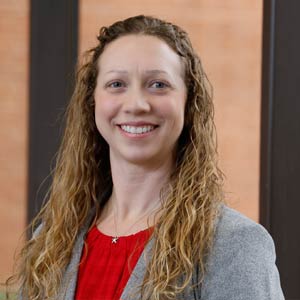
Kathy Wayman
My background as a physical therapist, paired with experience in quality improvement strategies, has shaped a patient-centered outcome measure and data-informed approach. My team and I are continually seeking ways to translate information from clinicians into systems-level improvements. Based on feedback, we have focused our efforts on optimizing documentation workflows, integrating patient-reported outcome measures, and enhancing the tracking of functional-based outcome measures and/or objective measures across the rehabilitation continuum.
2. As Associate Director, what are some of the biggest challenges you face in measuring and enhancing rehabilitation outcomes? What strategies or technologies have you found most effective in overcoming these challenges?
One key challenge is the diversity of patient presentations and recovery timelines. Balancing the individual needs of each unique patient but also trying to make findings generalizable enough to understand outcome data is complicated. Aligning standardized outcome measures with individualized care goals requires both clinical expertise and documentation support. We are working on the creation and utilization of dashboards to assess outcomes metrics, piloting AI-assisted documentation tools and evidence- based practice (EBP) data into clinician workflows. Staff engagement and ongoing education are critical to sustaining momentum.
3. How are you leveraging data analytics, digital health tools, or other emerging technologies to optimize rehab services and improve patient engagement and recovery?
We are working to leverage data to drive smarter and outcomes-based decision-making. Our team is currently using analytics to identify trends in readmissions and therapy utilization and to make data-driven decisions on discharge destinations for our patients in the Acute setting. On the patient-facing side, we are exploring digital intake tools and telehealth assessments to improve patient access and support patient engagement outside traditional clinical hours.
“We are working on the creation and utilization of dashboards to assess outcomes metrics, piloting AI-assisted documentation tools and evidence-based practice (EBP) data into clinician workflows.”
4. Quality and patient safety are critical in healthcare. How does your team approach maintaining high standards and continuous improvement in rehab outcomes while managing complex patient needs?
Our rehab teams are grounded in a culture of collaboration, accountability, and continuous improvement. We use structured quality improvement frameworks like Lean Six Sigma (as one example) to tackle barriers systematically. So far, we have investigated patient access to our services, assessing patient satisfaction through metrics specific to rehabilitation, insurance denial prevention strategies, rehabilitation goal setting, and functional outcome measure tracking, among other recent initiatives. It is important to note that we aim to embed frontline clinician feedback into our change efforts and actively measure both patient value and functional outcomes.
5. Looking ahead, what key trends or innovations in rehab services and healthcare quality do you believe will have the greatest impact on patient outcomes and service delivery? What advice would you offer healthcare leaders seeking to advance rehab quality and effectiveness?
I believe that integrating evidence-based practice guidelines into the electronic medical record, utilizing predictive analytics, and leveraging AI-assisted documentation will transform how we support patients across the continuum. My advice to other healthcare leaders is to balance frontline clinical feedback and measuring functional performance and outcome measure data to improve patient value. Continuous learning as a focus enables flexibility to try new approaches that support clinicians and patients. The most effective innovations are those that solve the root of the problem and align with patient goals.
If there are any additional insights, project highlights, or leadership philosophies you’d like us to include to enrich your profile, please feel free to share.
A key philosophy that guides me is that quality is not a one-time metric — it’s a mindset. At OSU Wexner, we’ve had the privilege of leading several cross-disciplinary projects aimed at standardizing outcomes tracking across acute, outpatient, and home health rehab settings. These efforts require courage, communication, and commitment — and I’m fortunate to work with a team that embodies all three.