Medical Tech Outlook Weekly Brief
Be first to read the latest tech news, Industry Leader's Insights, and CIO interviews of medium and large enterprises exclusively from Medical Tech Outlook
What gap exists between simple gravity systems and complex electronic infusion pumps? Infusion delivery today operates between two extremes. As David Duncan, MD, founder, frames it, “I call one A and the other Z, and there’s a massive gap in between.” It is precisely this gap that MonuMedical is addressing. It is creating a more intuitive pathway for care delivery that aligns closely with the realities clinicians face every day. Gravity-based systems offer accessibility and ease of use, but depend heavily on manual estimation and continuous oversight. Electronic infusion pumps offer greater precision but introduce complexity through programming, calculations and training requirements. “On one side, you have simple but inaccurate and unreliable methods. On the other hand, you have highly complex systems that require significant training, time and setup,” says Duncan. How does simplifying infusion calculations reduce cognitive load and improve clinical workflow efficiency? This gap reflects an operational reality that clinicians have adapted to over time. Tasks such as calculating infusion rates, preparing medications across multiple steps and managing equipment that is not designed for mobility are often accepted as part of routine care. In high-pressure scenarios, these steps result in time delays, increased cognitive load and higher risk of dosing errors.
What factors influence the consistency of outcomes in microneedling treatments across clinics? In microneedling, stronger results depend on more than the device alone. They are shaped by how the skin is prepared, how the procedure is performed and how recovery is supported afterward. Across concerns such as acne, uneven texture, pigmentation and age-related skin changes, outcomes are often stronger when those stages are managed as one connected pathway. In many clinics, devices, products and protocols still operate separately, making consistent outcomes harder to achieve. Dp Derm addresses that gap by structuring microneedling as a protocol-led treatment model designed to improve consistency from preparation through recovery and help clinics deliver more confident, results-driven care. At the center is Dermapen 4, supported by the Dp Dermaceuticals range for preparation, in-procedure use and post-treatment care. Practitioner education, indication-specific protocols, provider resources and home care products help clinics manage treatment more consistently while giving clients a more complete experience from start to finish. “It’s about providing a bespoke approach to microneedling. A Dermapen treatment is designed as an elevated treatment, not just a standard microneedling procedure,” says Joel Marshall, CEO..
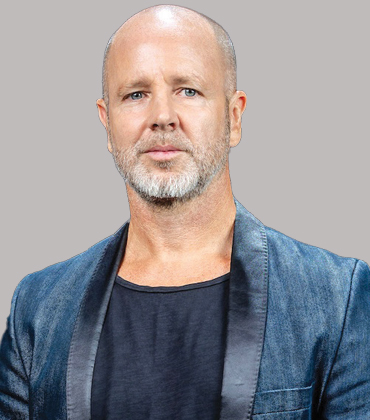

What challenges do caregivers face when managing mobility for dependent individuals daily? Across the country, millions of Family Caregivers shoulder a responsibility that is as physically demanding as it is emotionally consuming. Everyday tasks like getting a loved one out of the house, often involve lifting, pushing, and maneuvering heavy mobility equipment, at the expense of the Caregiver’s own health. How widespread is caregiver responsibility, and what limitations exist in current mobility devices? What makes this reality even more challenging is its scale. Family Caregivers account for nearly 85 percent of all care, many supporting individuals living with Alzheimer’s, dementia, or Parkinson’s. In many cases, patients cannot safely operate a joystick or control powered mobility devices, and the responsibility falls entirely on the Caregiver. Yet most devices were never designed with Caregivers in mind. Why has CareGlider developed a new approach centered on caregiver usability and safety? It is within this gap that CareGlider has emerged, offering a fundamentally different approach to mobility that puts Caregivers at the center of the design. Rather than expecting them to adapt to bulky, traditional equipment, the system is built specifically to reduce strain while maintaining control and safety. At its core is a Caregiver-controlled mobility device that enables smooth, assisted transport for individuals who cannot operate powered chairs themselves, while significantly reducing Caregiver’s burden. “We advocate for Caregivers while developing products created specifically to support them,” says David Carson, CEO. “Caregivers are the unsung heroes of our healthcare system, and they deserve tools that protect their health, preserve their independence, and make daily life more manageable.”.
What gaps exist in current light therapy solutions for consistent clinical outcomes? Bedrock Bioscience was developed out of direct clinical experience, where treating patients consistently highlighted the need for reliable, outcome-driven medical devices. In working with complex conditions over thousands of cases, it became clear that many available light therapy solutions lacked the consistency, innovation, and clinical grounding required to deliver predictable results for at-home patient treatments. To address this gap, Bedrock Bioscience designs LED light therapy systems specifically for medical practitioners. These devices are built to meet strict FDA standards and clearance requirements, ensuring that doctors can deliver treatments with confidence and consistency. “There’s a whole other level of performance and quality with our devices that you don’t find with over-the-counter products. Since the people we sell to are doctors, we want to make sure they are getting the best quality product,” says Dr. Phil Straw, Co-founder. From the first treatment to ongoing patient care, Bedrock Bioscience emphasizes clinical efficacy, reproducibility, and practitioner trust as central to its approach..

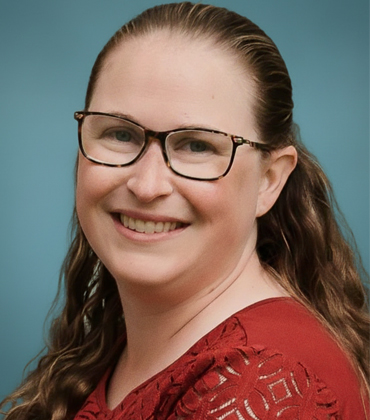
Medical device innovators often face a recurring challenge. Regulatory requirements and quality systems are treated as late-stage obligations rather than integrated components of development. This disconnect leads to rework, delayed submissions and uncertainty during regulatory review, particularly when critical data is incomplete or poorly structured. Webster MedTech Consulting addresses this challenge by embedding regulatory strategy into early development decisions. Its approach focuses on aligning engineering, quality and regulatory pathways from the start so that every data point generated contributes directly to submission readiness. “When regulatory strategy is embedded from the earliest engineering decisions, data generated throughout development becomes a direct input to faster, more defensible submissions,” says Caroline Webster, founder and principal consultant. Aligning Data and Strategy From the Start A central issue for many teams is the disconnect between data generation and decision-making. Engineering and testing data are often collected without a clear structure, limiting their value in regulatory planning and increasing the likelihood of last-minute remediation. Webster MedTech Consulting addresses this through alignment-first development. Each engagement begins with a structured analysis of existing technical data, including laboratory, benchtop and clinical outputs. This process identifies gaps not only in documentation but also in the underlying evidence required to support regulatory claims. .
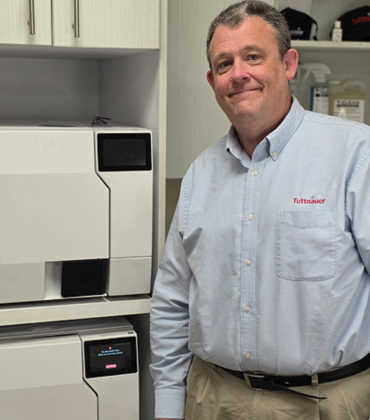
The rapid influx of complex instruments into integrated delivery networks (IDN) is reshaping the healthcare landscape. Many of these devices require pre- and post-vacuum steam sterilization for validation—capabilities that smaller care settings often lack. The mismatch has created operational blind spots in clinics and ambulatory surgical centers, forcing providers to rely on outdated sterilization equipment and exposing them to compliance risks. What sterilization capability gaps does Tuttnauer address as complex instruments enter integrated delivery networks? Tuttnauer fulfills this unmet need. Its T-TOP10 and T-TOP11 are the only tabletop autoclaves capable of sterilizing instruments using both gravity and pre- and post-vacuum steam cycles. By ensuring full validation and compliance with FDA and CDC guidelines, they give practices the freedom to introduce advanced instruments without worrying about compatibility. A global leader in manufacturing infection control and sterilization equipment, Tuttnauer has been at the forefront of the industry for a century. With over 1,200 distributors across more than 150 countries, the company serves medical, laboratory, dental and veterinary sectors. Its portfolio spans the smallest tabletop sterilizer to the largest autoclave and washer, driving consistency and standardization across IDNs. It also provides comprehensive client education along with planning, design and installation services. “Our singular focus on disinfection and sterilization of instruments allows us to serve every facet of healthcare,” says Dan McGinley, national sales manager.
Brain Diagnostics Devices

Dr. Paul Wright, Senior Vice President and System Chair of the Neuroscience Institute, Nuvance Healt
ENT Devices
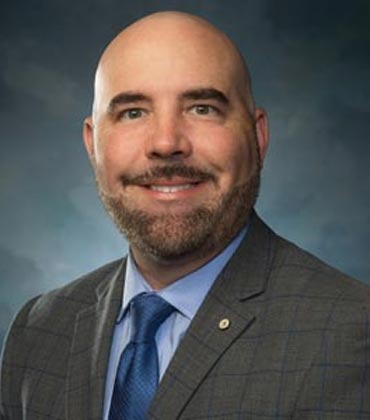
Ryan Garland MHA BS RT(R), AVP- South Region Radiology & Respiratory, Endeavor Health
Wound Care

Michael Nuara, Program Director Facial Plastic and Reconstructive Surgery and Arron M Cole, Facial P
Physiotherapy and Pain Management
Kaleb Whitehair, Director of Rehabilitation, University of Houston
Medical Imaging Systems

Jennifer Stephany BS, R.T.(R)(MR)(ARRT)(RYT), Manager of Radiology Operations, Allegheny Health Netw
Chronic and Long-Term Care
Justin Floyd, Director of Nursing- Critical Care Service Line, Peace Health
Orthopedic Devices and Instruments

Courage Osagie, Director of Imaging Services, Scotland Health
MedTech
Laura Segovia, Sr. Project Manager, Clinical/Lab Information Systems, Sonic Healthcare USA

Medical Imaging Systems
Shelby McCarty, Director of Imaging Services-Midwest Region, Renovo Solutions
Medical-grade light therapy device manufacturers navigate rising demand, regulatory scrutiny, and market competition by strengthening credibility, differentiation, and strategic wellness integration.
Transforming Care Through Operational Efficiency
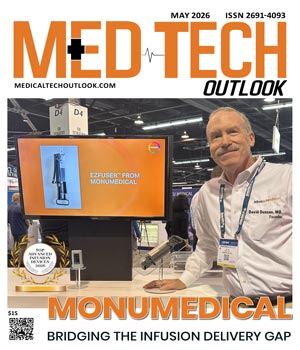
Our cover story, MonuMedical, recognized as the Top Advanced Infusion Devices 2026, addresses a critical gap between simplicity and precision in infusion delivery. Its EZfuser™ platform removes the need for infusion rate calculations, reducing setup complexity and enabling clinicians to initiate treatment in under a minute. By standardizing delivery through a fixed rate, mechanical system and integrating functions into a single platform, MonuMedical improves reliability while lowering cognitive load in high-pressure environments.
Bedrock Bioscience, recognized as the Medical-Grade LED Red Light Therapy Devices Company of the Year 2026, addresses a critical gap between consumer-grade light therapy and clinically validated treatment. Developed from direct clinical experience, its medical-grade LED systems are built for doctors and shaped by practitioner-led protocols that improve treatment reliability, clinical confidence, and long-term patient outcomes.
Dp Derm, recognized as the MicroNeedling Device Company of the Year 2026, demonstrates how structured protocols can improve consistency in aesthetic treatments. By integrating device capability with preparation, procedure and recovery pathways, it enables practitioners to deliver more repeatable outcomes while strengthening clinic execution and patient continuity.
CareGlider, recognized as the Top Powered Companion Chair 2026, redefines mobility support through a caregiver-first design. Its modular, split weight system reduces physical strain while maintaining control and safety, addressing a largely overlooked operational burden in home and assisted care environments.
From a leadership perspective, Robert Fink, Pharm.D., MBA, FACHE, FASHP, BCPS, System Vice-President, Pharmacy Services at UofL Health, outlines how integrated pharmacy models and 340B-driven strategies can control employer sponsored drug costs while improving access and outcomes. In parallel, Laura Segovia, Sr. Project Manager, Clinical/Lab Information Systems at Sonic Healthcare USA, emphasizes the role of coordinated, data-driven managed markets in optimizing reimbursement, stakeholder alignment and overall healthcare value delivery.
Collectively, these insights reinforce a clear direction: progress in MedTech depends on combining diagnostic advancement with disciplined execution and data-driven oversight. We invite readers to explore this edition to deepen their understanding of how these capabilities are shaping the sector’s next phase.