Medical Tech Outlook Weekly Brief
Be first to read the latest tech news, Industry Leader's Insights, and CIO interviews of medium and large enterprises exclusively from Medical Tech Outlook
A featured contribution from Leadership Perspectives: a curated forum reserved for leaders nominated by our subscribers and vetted by our MedTech Outlook Advisory Board.

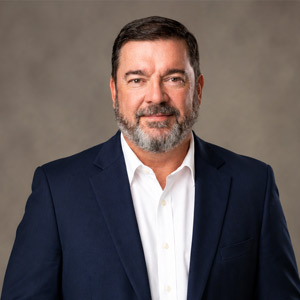
Gerald Scott Smith, is an experienced radiology professional and Director of Radiology at White Rock Medical Center. With more than three decades in medical imaging, he has held leadership and technical roles across healthcare organizations. Smith specializes in radiology operations, CT imaging, PACS administration and imaging services management.
Leading by Example and Building Trust
The number one principle I believe in when building a strong, collaborative team is leading by example. The first thing I do when starting any new management position is show my team that I am not there solely as their leader, but also as their coworker. I have always believed that you cannot ask your team to do something that you are not willing to do yourself.
I have always been the first to get up and help a patient or a team member when the need arises. Whether it is helping with a lift, bringing an outpatient back for their exam so they do not have to wait, or stepping in to cover shifts on weekends and holidays so my team can spend more time with their families, I want my team to know that I am willing to be right there beside them.
“Leading through change can be tough. Some changes can be drastic and really challenge a team. But I can say from experience that if the team is truly strong, it can adapt and survive even through significant change.”
My second most important principle is having the right team members. I believe the people you bring onto a team are extremely important. Team members do not have to be exactly alike, but they need to be like-minded when it comes to their values and have a shared understanding of the team’s goals. I would rather have a team member with less experience who has the right character and attitude than someone with extensive experience who does not work well with others.
A few other principles I feel are extremely important are communication, recognition, and respect. People need to know that their voices are heard, their contributions are appreciated, and they are respected as individuals and professionals. Once I have earned the trust of a new team and demonstrated that we are all there for the same reason, to provide the best possible care for our patients and support one another, the team begins to become one. That is when the magic happens.
Keeping Teams Effective Through Change and Technology
I like to provide cross-training in other modalities to keep my team effective. I also like to keep up with new technologies and push my team to do the same. I have had several team members come to me with something new in their related field. Some of these technologies or practices we were able to begin using, helping us keep up with the fast-paced changes in the field.
Developing Future Leaders Through a Willingness to Learn
The number one quality is a willingness to learn. It does not matter how much experience someone has; if they are willing to learn and grow, they will do a great job. I have trained members in the past who did not want or have the ambition to learn, and they never got much out of the training.
Building Trust and Camaraderie During Change
Leading through change can be tough. Some changes can be drastic and really challenge a team. But I can say from experience that if the team is truly strong, it can adapt and survive even through significant change.
I believe that building a strong sense of trust and camaraderie within a team is especially important during periods of change and uncertainty. When you make your team feel like a family, people are more likely to support one another, communicate openly, and work through challenges together rather than allowing change to divide the team.
Being a Team Player Before Becoming a Leader
I would say be a team player first. Support your team in any way you can. When people see that this is genuinely the type of person you are, respect is earned rather than simply given. When you build that kind of trust and respect within a team, people are more willing to go above and beyond for one another.
I also believe in surrounding yourself with good-hearted people who have the right character. If I had to choose between hiring someone with very little experience but the right character and someone with a great deal of experience but the wrong character, I would choose the person with the right character every time. Skills and experience can be developed, but character is much harder to change.
Another important piece is learning from your team. I have been in this field for 30 years, but I still make a point of listening to others. Your way is not always the only way, and some of the best ideas and lessons can come from the people working alongside you.
Finally, I believe leadership will come naturally when you consistently do the right things: be a great team member, have strong character, support others, and be someone people can depend on. I have never specifically applied for a leadership role, but throughout my career, I have had several leadership opportunities presented to me. I have also been recruited by former coworkers and team members who knew me and had experienced firsthand the type of team member I am.
To me, that is what leadership is really about. You do not have to seek the title; if you consistently earn the trust and respect of the people around you, leadership opportunities will find you.